Earth. Works.

Earth. Works. for People
- Cleaner air and water
- Healthier outdoor spaces
- Reduced chemical exposure
- Stronger connection to place
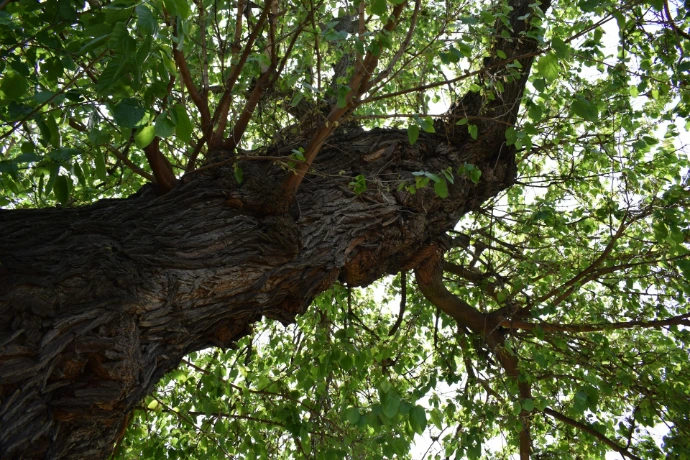
When landscapes work, people benefit—quietly and continuously.
Earth. Works. for Budgets
- Lower long-term maintenance costs
- Reduced inputs over time
- Fewer repairs and replacements
- Predictable lifecycle performance
Native landscapes save money because they are designed to work, not be constantly fixed.

Earth. Works. for Infrastructure
- Stabilizes slopes and embankments
- Performs in right-of-ways, buffers, and medians
- Handles difficult and disturbed sites
- Protects adjacent pavement and structures
Native plantings outperform turf and ornamentals where conventional landscaping fails.

Earth. Works. for Maintenance
- Less mowing
- Minimal irrigation after establishment
- Fewer plant replacements
- Eliminate chemical dependency
Low maintenance doesn’t mean unmanaged—it means properly designed.

Earth. Works. for Compliance
- Supports stormwater and watershed requirements
- Aligns with sustainability and environmental goals
- Helps meet long-term land stewardship standards
- Reduces reliance on chemical inputs
Native landscapes help properties meet environmental objectives without constant intervention.
Earth. Works. for Safety
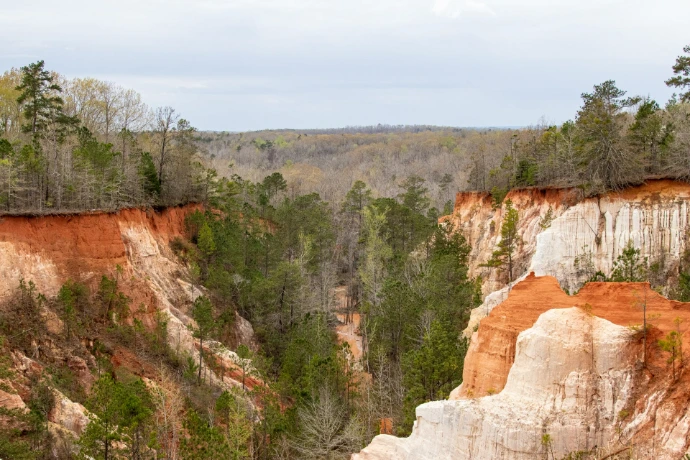
- Reduces erosion-related hazards
- Stabilizes ground on slopes
- Minimizes chemical exposure
- Improves long-term site stability
Landscapes designed to function. Reduce risk instead of creating it.
Earth. Works. for Climate
- Reduces surface temperatures
- Moderates microclimates
- Increases drought tolerance
- Sequesters carbon
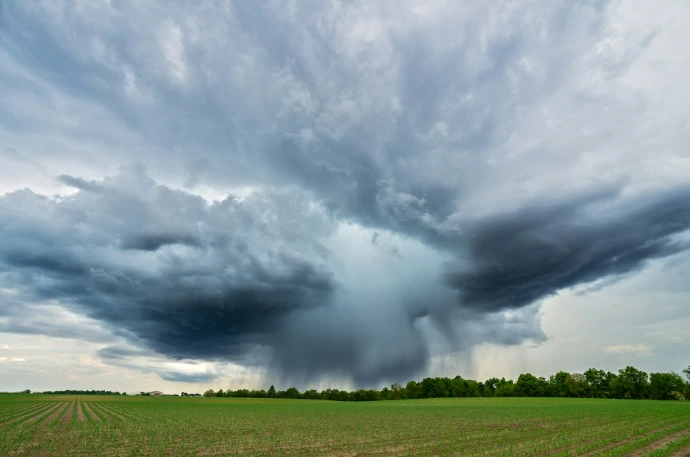
- Improves resilience to extreme weather
Functional landscapes perform better under changing environmental conditions.
Earth. Works. for Water
- Manages stormwater at the source
- Improves infiltration and drainage
- Recharges groundwater and aquifers
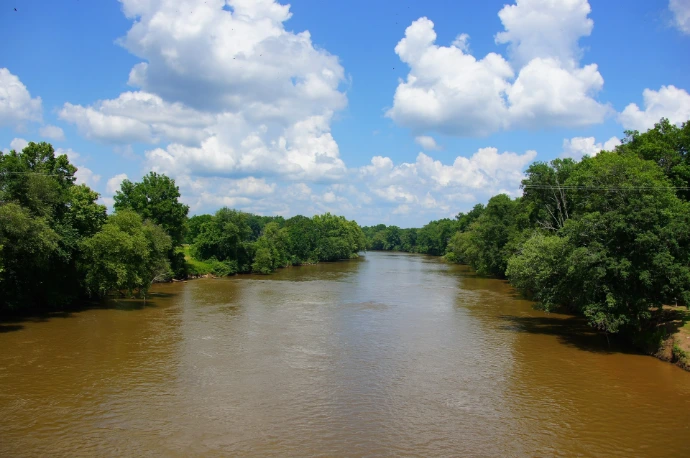
- Reduces runoff and downstream flooding
- Filters pollutants before they leave the site
Deep-rooted native plants slow, absorb, and clean water where it falls—reducing erosion and protecting surrounding waterways.
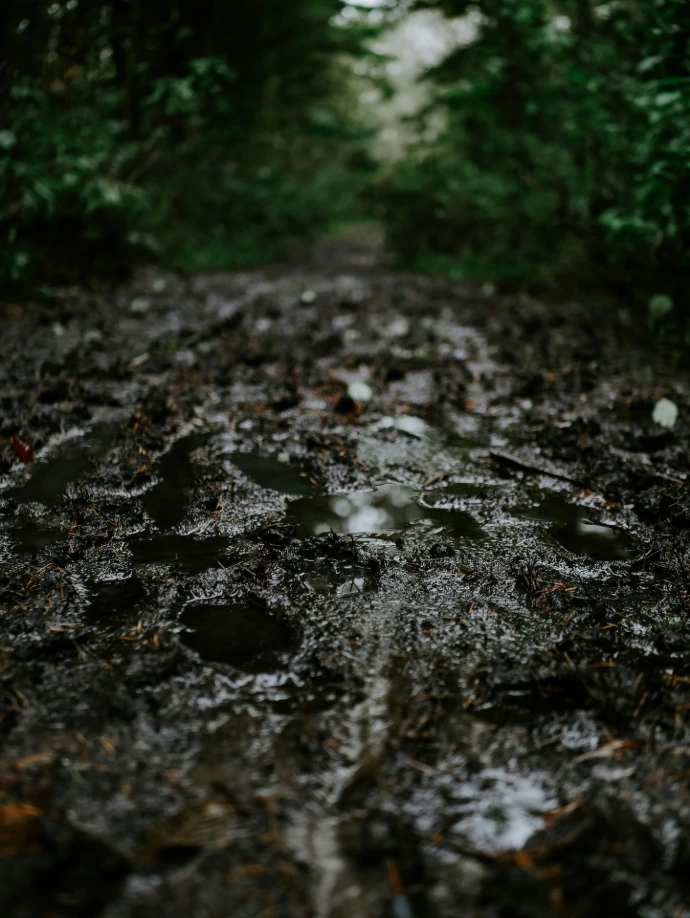
Earth. Works. for Soil
- Stabilizes slopes and disturbed ground
- Prevents erosion and soil loss
- Rebuilds soil structure and biology
- Restores compacted soils
- Increases nutrient density in food
Healthy soil is living infrastructure. Native plants build soil instead of depleting it.
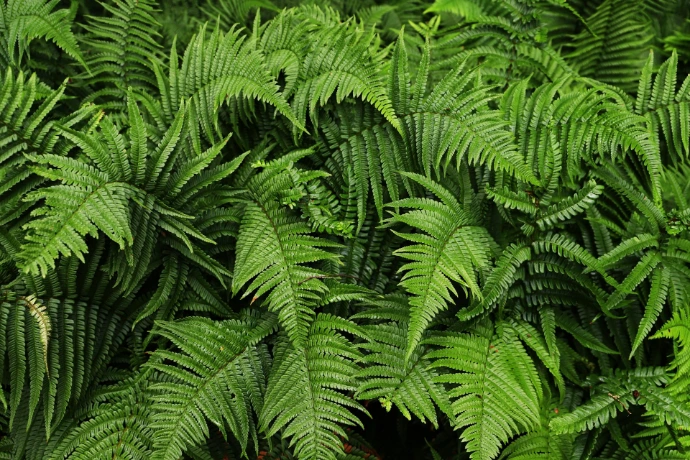
Earth. Works. for the Future
- Landscapes that improve with time
- Systems built for longevity
- Resilient land instead of short-term fixes
- Stewardship over replacement
Earth. Works.
Because when landscapes function, everything else works better too.
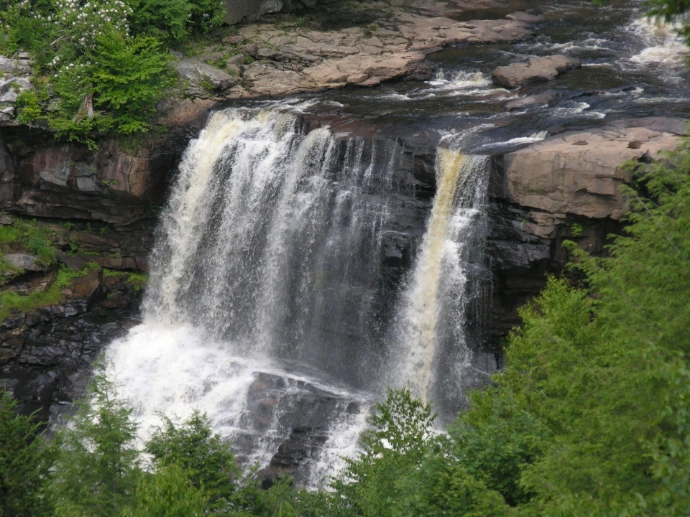
Earth. Works. for Ecology
- Supports pollinators and beneficial insects
- Provides wildlife habitat
- Restores native biodiversity
- Strengthens food webs
- Increases ecosystem resilience
Native plants support complete life cycles—something ornamental landscapes cannot do.
Landscapes designed to function.
Conservation Landscaping is built on a simple idea: when landscapes are designed to work like ecosystems, they perform better, cost less to maintain, and improve over time.
Native plants are not decoration. They are living infrastructure that solve real problems.