Services
Native Landscape Design & Installation
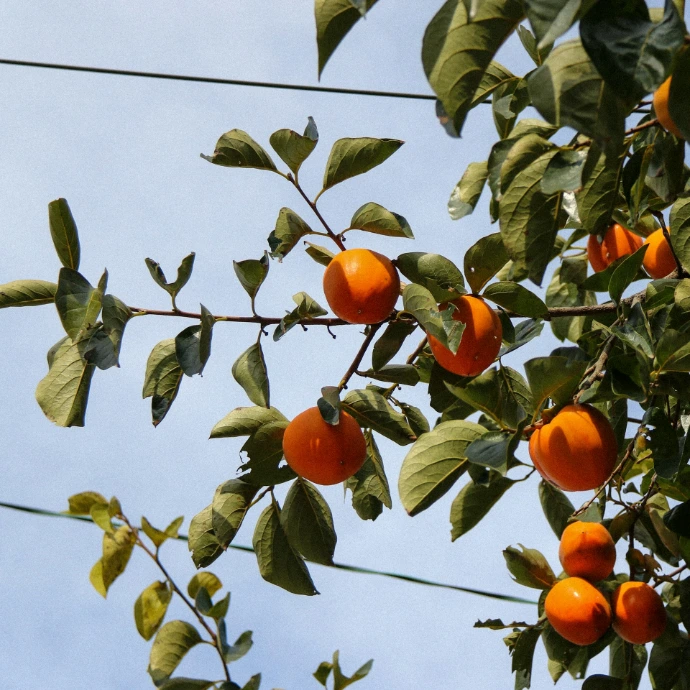
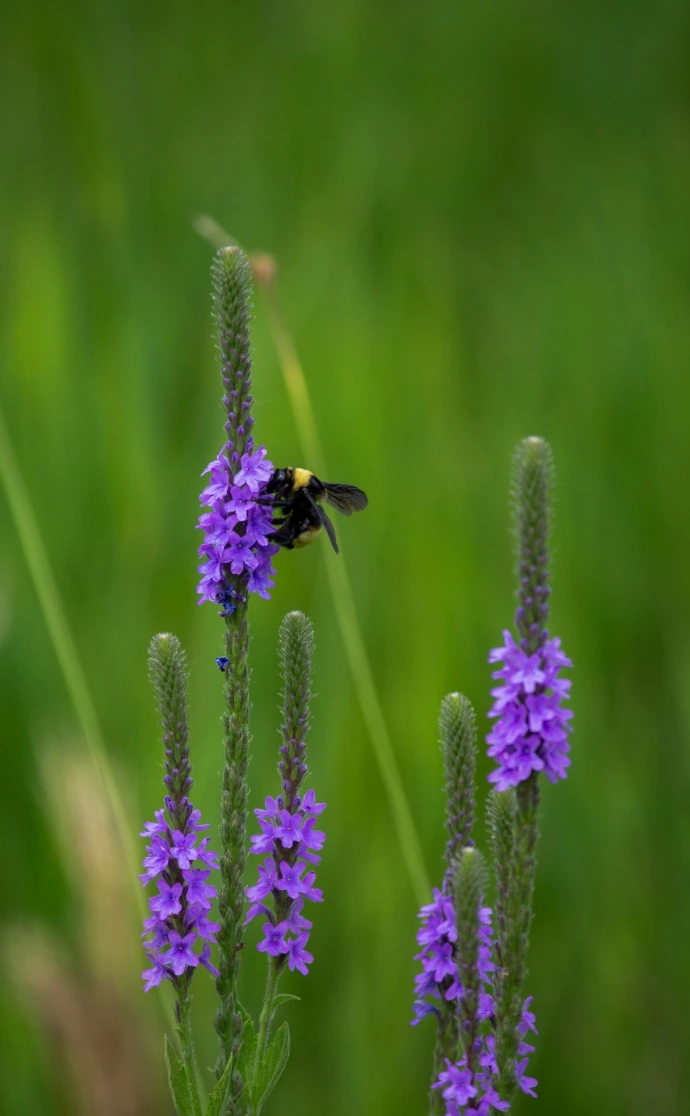
We design and install ecologically functional landscapes using regionally native plants. These landscapes are built to thrive with minimal long-term inputs while improving soil health, stormwater infiltration, and habitat value.
Our native plantings replace sterile traditional monocultures with diverse, resilient plant communities that are beautiful, low-maintenance, and environmentally responsible.
Invasive Species Management
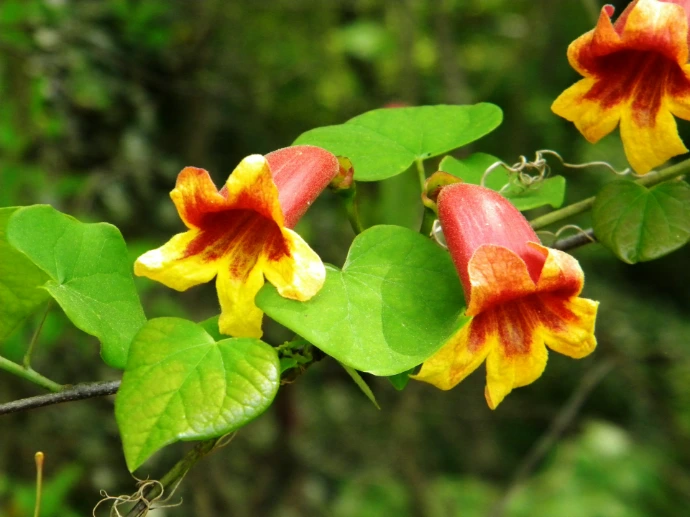
Selective, site-specific treatment
Mechanical and low-impact methods where feasible
Long-term prevention through native plant competition
Regenerative Lawn Care
Habitat Restoration & Site Rehabilitation
Conversion of unmanaged or underperforming landscapes
Slope stabilization and erosion control using deep-rooted native species
Restoration of compacted or disturbed soils
These systems are designed to improve over time, not decline.
Ecological Consulting & Project Planning
For clients planning larger or phased projects, we offer consulting services to guide design decisions, species selection, and implementation strategies.
This includes:
Site evaluations and planting recommendations
Phased implementation planning
Coordination with designers, nurseries, and land managers
Wildlife Habitat Structures
These optional features can be integrated into any project to increase ecological value, public engagement, or long-term success.
Consider:
Bird nesting boxes
Bat boxes for insect control
Pollinator houses and bee blocks
Educational Signage
Lower Long-Term Costs
Native plants thrive in local conditions, which means they require less watering, no fertilizing, and no pesticides. This translates to lower maintenance costs and more free time for our clients, while ensuring a beautiful landscape year after year with minimal effort.
Environmental Impact
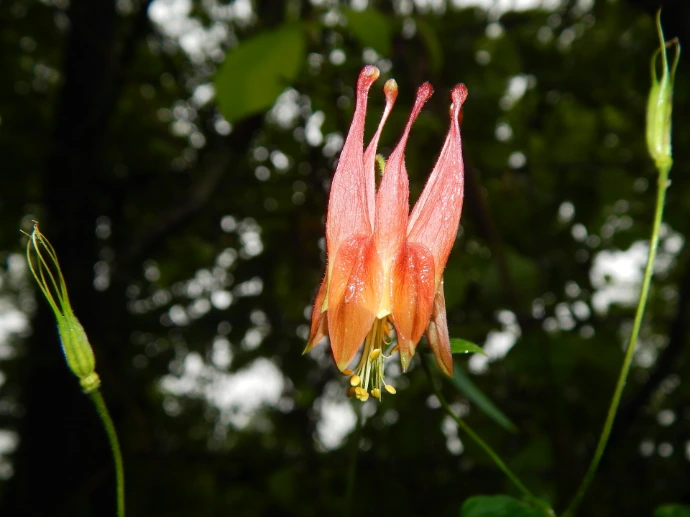
Our 100% native landscapes support local ecosystems by providing food and habitat for birds, pollinators, and beneficial insects. By planting species naturally adapted to the area, we help preserve biodiversity and protect the environment—creating a landscape that gives back to nature.
Beauty & Connection to Nature
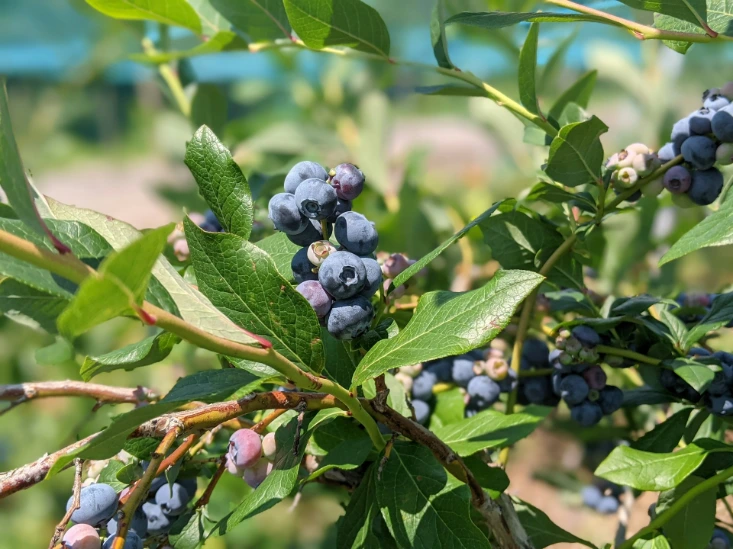
Beyond their ecological benefits, native plants offer seasonal color, texture, and movement that attract wildlife and bring a sense of place to any property. Our landscapes connect clients with the natural beauty of their region while enhancing the functionality and enjoyment of their outdoor spaces.
Resilient & Sustainable Landscapes
Native landscapes are naturally resilient to weather extremes, soil conditions, and local pests. Their deep-rooted systems prevent erosion, improve soil health, and create a self-sustaining outdoor space that continues to flourish over time without constant intervention.